Certainly! Here's a list of simple and safe science experiments that you can do at home.
Always remember to follow safety guidelines and, if necessary, seek adult supervision:
1. Baking Soda and Vinegar Volcano
Create a classic volcanic eruption by combining baking soda and vinegar. You can construct a volcano using clay or playdough and watch it "erupt" when the two substances react.
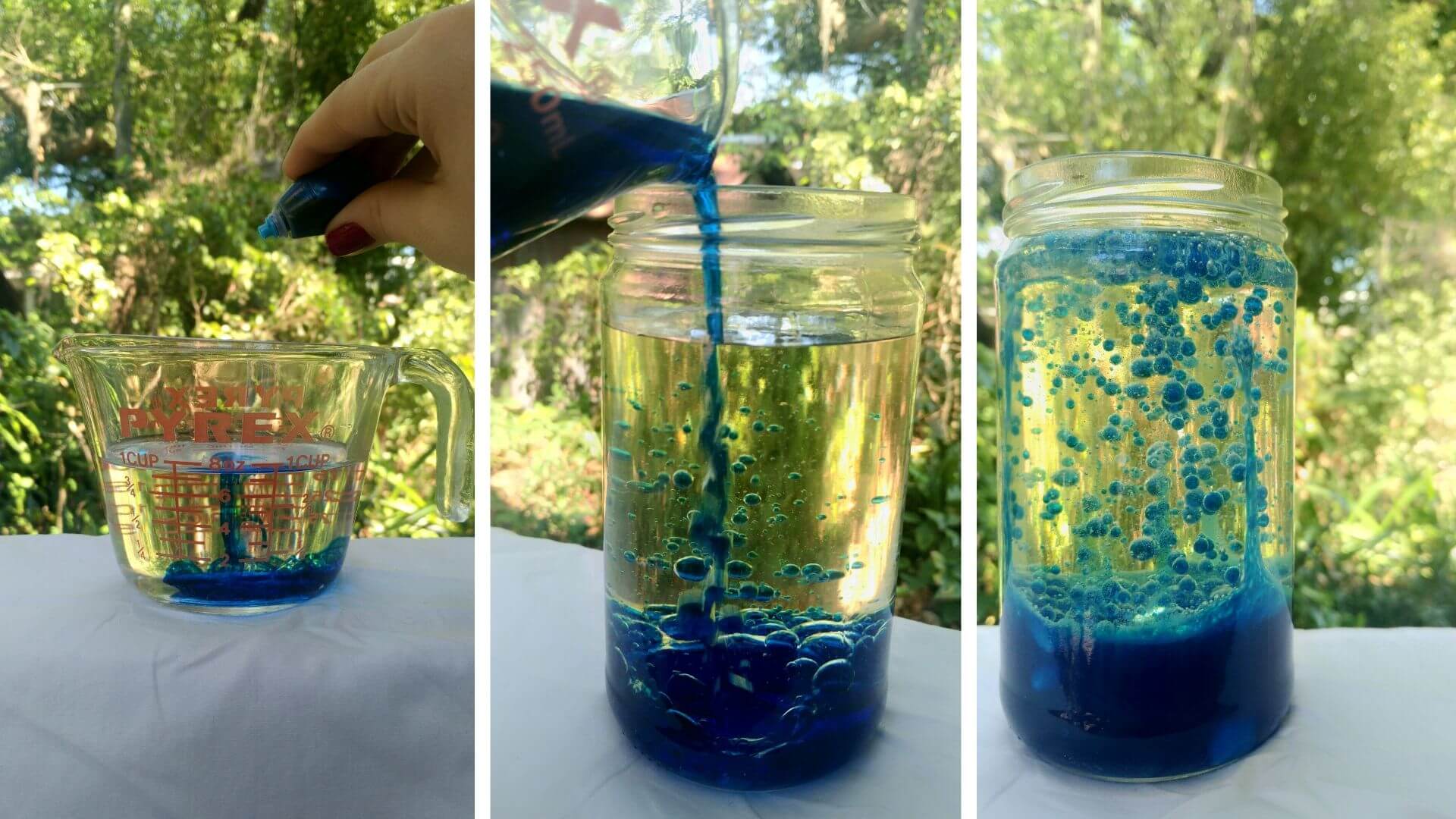
2. Homemade Lava Lamp
Combine water, oil, food coloring, and effervescent tablets (like Alka-Seltzer) in a bottle to create a mesmerizing homemade lava lamp. Observe the colorful bubbles moving through the oil.
3. Rainbow in a Jar
Layer different liquids with different densities (like honey, dish soap, water, vegetable oil) in a clear jar to create a colorful rainbow effect. This experiment illustrates the principle of density.
4. DIY Slime
Mix glue and liquid starch or borax solution to create your own slime. Experiment with different ratios to achieve different textures. Slime-making is not only fun but also a great way to explore the properties of polymers.
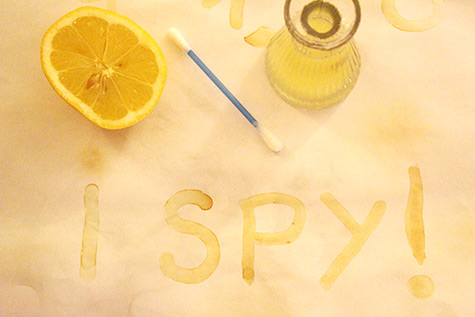
5. Invisible Ink
Write secret messages using lemon juice as invisible ink. When heated (carefully), the message will become visible. This experiment demonstrates the science of acids and bases.
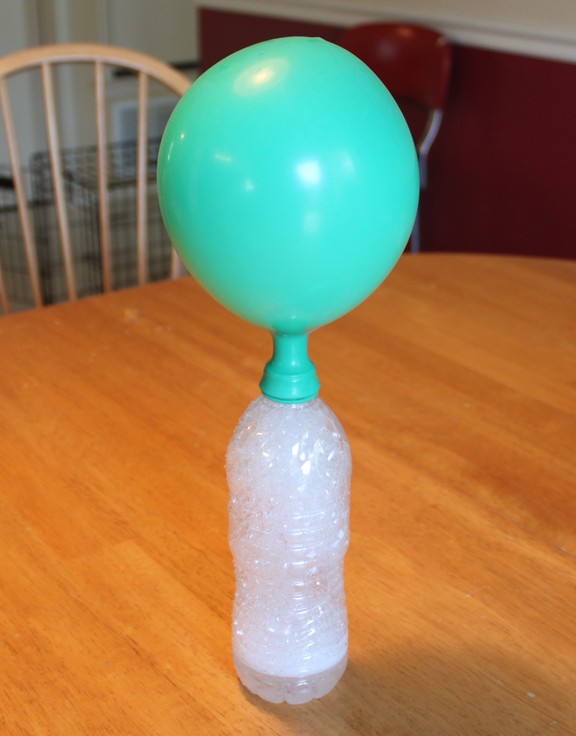
6. Balloon Inflation with Baking Soda and Vinegar
Place baking soda inside a balloon, attach it to the mouth of a vinegar-filled bottle, and watch as the balloon inflates due to the chemical reaction between the baking soda and vinegar.
7. Egg in a Bottle
Place a peeled hard-boiled egg on top of a bottle, and watch it get sucked inside when you light a piece of paper and place it inside the bottle. This demonstrates the principles of air pressure.
8. Static Electricity Butterfly
Create a static electricity butterfly by rubbing a balloon against your hair and then using it to move a small piece of paper or a tissue cut in the shape of a butterfly. This experiment demonstrates the concept of static electricity.
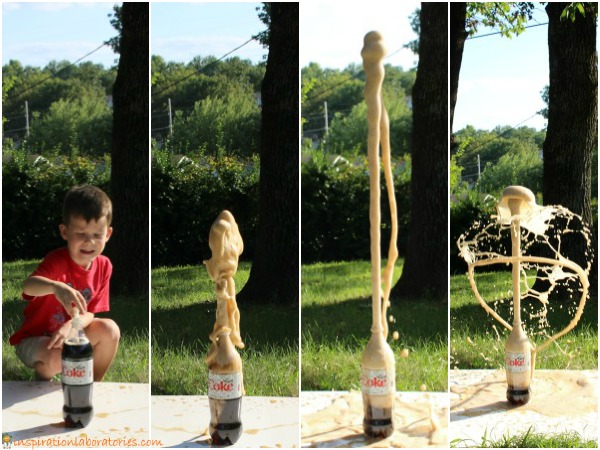
9. Mentos and Soda Geyser
Drop a few Mentos candies into a bottle of soda and quickly step back to witness a fizzy eruption. This experiment showcases the reaction between the soda and Mentos, releasing carbon dioxide gas.
10. Rain Cloud in a Jar
Create a mini rain cloud by filling a jar with water, adding shaving cream to the top, and then dropping food coloring onto the "cloud." As the colored drops break through the shaving cream, it simulates rain falling from the cloud.
Remember to have fun while conducting these experiments, and always prioritize safety!
:max_bytes(150000):strip_icc()/volcano-project-resized-56a12e6d5f9b58b7d0bcd68e.jpg)





Comments
Post a Comment